
May 4, 2026
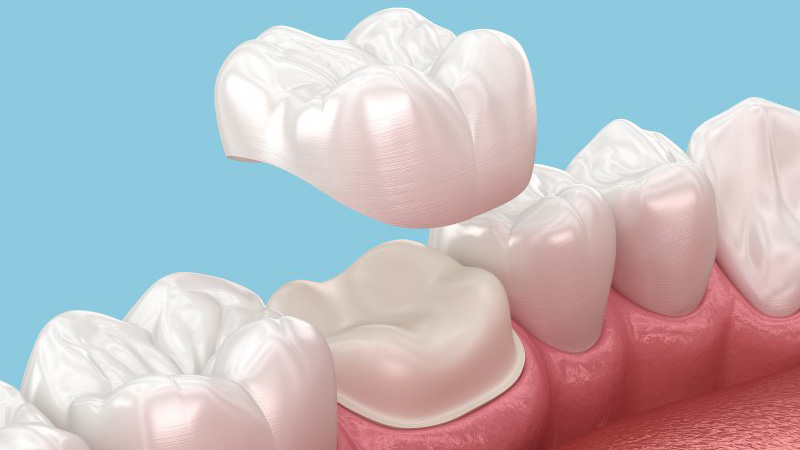
Dental crowns remain the primary solution for dentists who must provide restorative treatment. However, this was not always the case. Centuries ago, a dentist might have suggested extracting the problematic tooth rather than protecting and preserving it. How have dental crowns changed over the years, evolving into what we see today? Keep reading to discover where these restorations came from and how they are used in your dental office.
Dental Crowns During Ancient Times
Although researchers may not agree on a definitive date, it is believed that between 200 and 700 A.D., the Etruscans were using gold crowns and bridgework to create customized dental prosthetics. Of course, the primary reason for their creation was to make an impression. At the time, gold was deemed a sign of wealth, primarily, but it lacked stability.
As a result, these crowns were not meant to protect vulnerable teeth; in fact, they were used to boost a person’s appearance.
Dental Crowns in the Middle Ages
Once dentistry became a more widely accepted profession, many barbers chose to incorporate many dental procedures into their daily work. In the 1200s and 1300s, these individuals performed complex surgeries and provided basic oral hygiene services.
With the arrival of the 1500s, a book titled “The Little Medicinal Book for All Kinds of Infirmities of the Teeth” contained information on how to drill and extract teeth and how to seat a dental crown properly.
Dental Crowns in the Modern World
Although many dentists still use gold, it is no longer the primary material for these custom restorations. Instead, the American Dental Association reports that Claude Mouton became the first individual to use white enameling for gold crowns, creating a visually appealing aesthetic.
By the late 1800s, dental crowns began to be crafted from porcelain, offering maximum protection for vulnerable teeth affected by decay and/or disease. Instead of looking at your chipped or cracked teeth in the mirror, experts could use these crowns to rebuild your smile.
Although there have been several bumps and lackluster attempts to refine dental crowns, in the 20th century, porcelain-fused-to-metal became a widely popular option for its durability and beautiful appearance.
Dental Crowns Today
When you walk into your dentist’s office, you’ll find that most crowns are made out of porcelain because of how well they mimic natural tooth enamel. Created in a lab by professionals, these restorations offer superior protection while also improving your aesthetics.
Don’t discount the effectiveness of dental crowns. To come from fragile and easily breakable gold to durable and smile-enhancing porcelain, you’ll be pleased with your long-term results once it is in place.
About the Author
Dr. Piro Leno is an experienced dentist with decades of experience. Trained in prosthodontics and other similar specialties, he offers customized dental crowns. By partnering with an expert ceramist in town, he can be sure that your new tooth blends in beautifully with the rest of your smile, all while providing the safeguarding your tooth needs. Visit our website or call (281) 820-6412 to schedule an appointment to discuss a dental crown.